

fbpx
4 minutes reading time (829 words)

TIPS FOR A CONSCIOUS TRAVEL
backpacking

There are some incorrect and harmful behaviors that the traveler and the tourist often carry out naively, believing on the contrary to make a charitable or kind gesture. I am talking about things that I too for a while in my life did not perceive as wrong, but when I realized it because you explained it to me by others or because I self-enlightened I did not go back even half a time, on the contrary, I always tried to open your eyes to others too. It is a rather thorny subject that actually applies not only on the road but also at home.



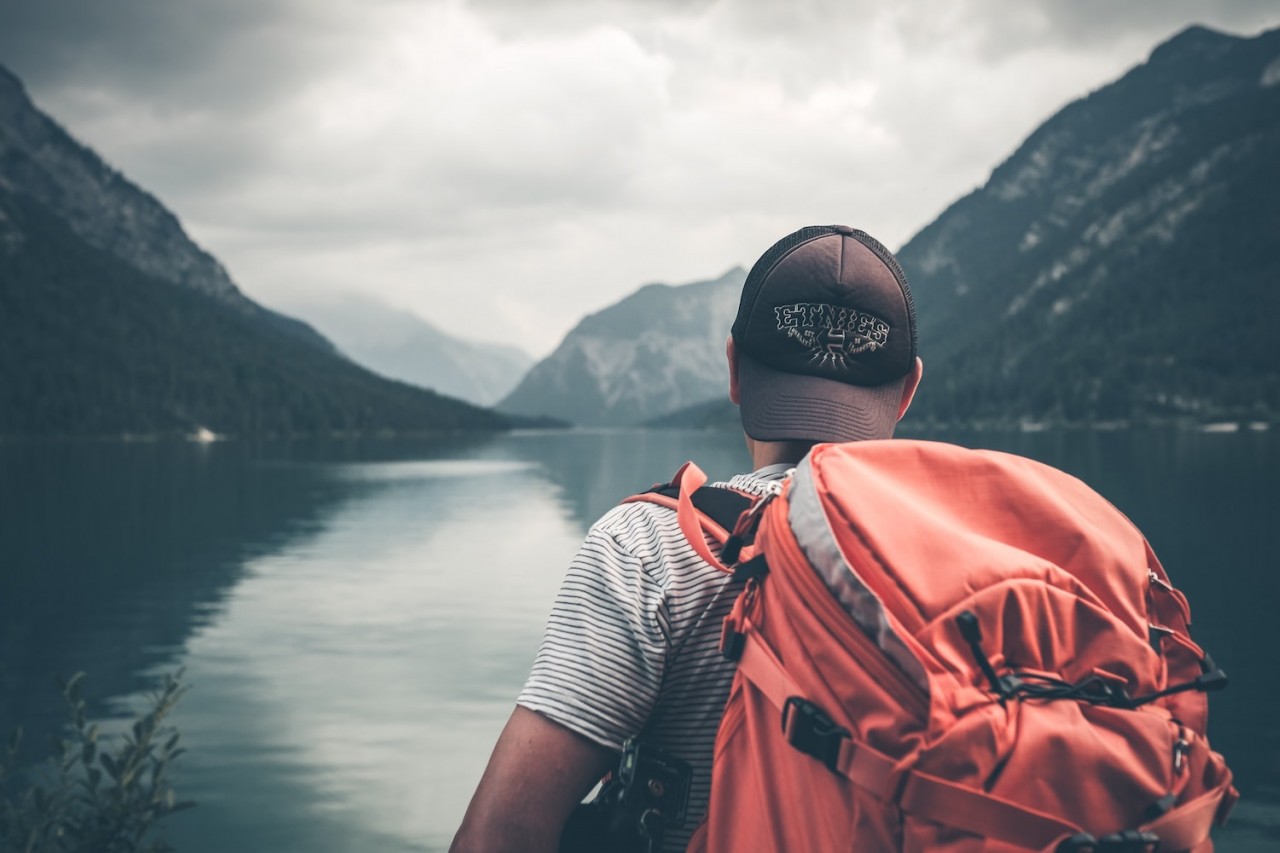
larm-rmah-AEaTUnvneik-unsplash.jpg


DON'T GIVE ALAMOS TO CHILDREN
I'll tell you an episode: in 2011 I was in Myanmar with a friend and in the Valley of the Temples in Bagan, we were surrounded by children who were asking for money or who wanted to sell us something. I did not care and I did not give them anything and then my friend painted me as a miser. He asked me how I could be so cruel as to give nothing to those children, with eyes that recalled tenderness. However, the truth is quite different and has nothing to do with avarice: we must not in any way encourage certain behaviors! Children must be at school or most on the street playing and not asking for change or selling various items. The more we yield to their tenderness, the more we nurture these phenomena and their families will continue to take advantage of them without trying to find solutions to ensure their childhood and adolescence far from child exploitation. At most, we keep pencils, markers, notebooks, or small toys in our backpack to give as gifts on these occasions, but we never, ever give them money! Let's talk to each other, let's try to understand what brought them there at that moment, let's rather try to help their families, but for no reason, we do not support these reprehensible social phenomena. Children have the right not to work.

NOT EVEN CANDIES!
Attention also to candies especially in developing countries because the problems could be of two types:

There are countries in Africa where it has now become so common to offer sweets that a real market for them has been created, in fact, children don't eat them but collect them to resell them .... ergo, it's like giving them money! In fact, more often than not, parents or older children manage this collection, who often also use force to force children to deprive themselves of these sugary gifts.
Sugar: in some countries, it can be a problem because they have no way of taking care of their teeth and therefore if you donate it, always do it in small quantities.
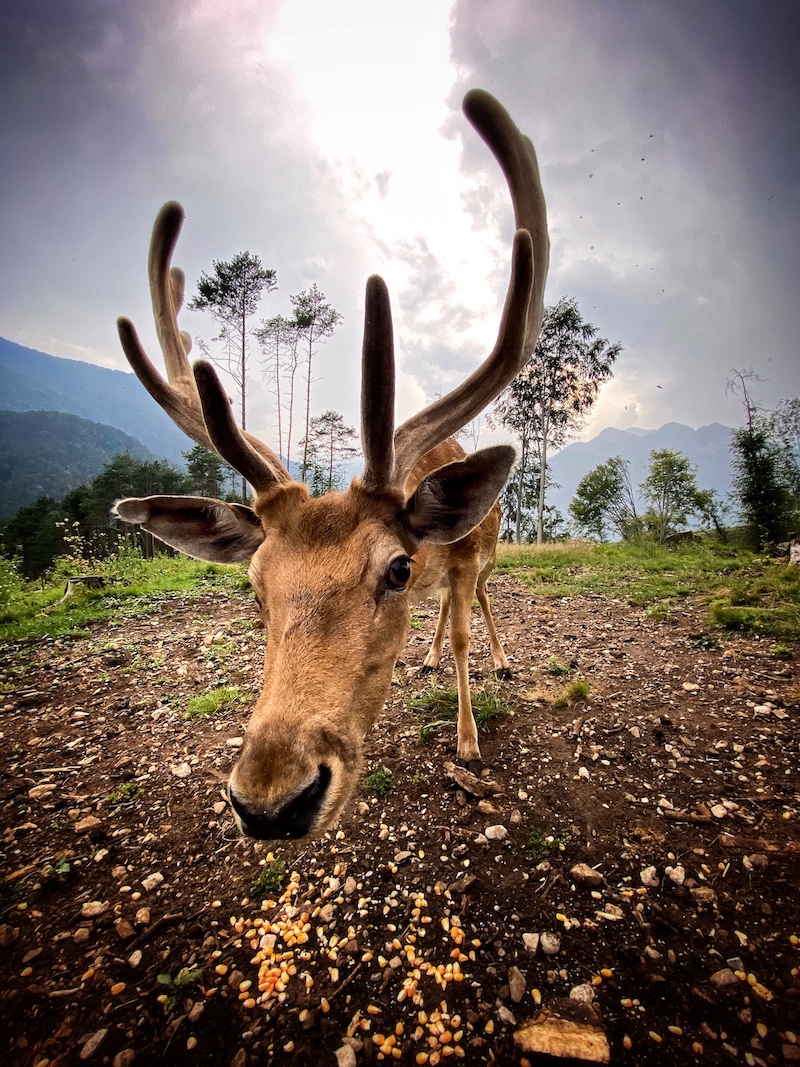
 

Snapseed.jpg


DO NOT GIVE WILD ANIMALS TO EAT


The second episode I tell you happened in Peru: I was at Machu Picchu, where there are some wild llamas. I saw some people offering him cookies to take not only close-up photos but even selfies. I scolded them without thinking twice and was covered in insults because they just wanted to take a picture and a few cookies could not possibly harm the health of the llamas. False! I am not a vet, but it is easy to understand that if any visitor were to give them cookies they could have problems with the amounts of sugar ingested ... and believe me, I know something about excess sugar!

When we come across wild animals the first thing to do is not to offer them food of any kind.

Such an attitude, even with things that may appear to us healthier and more suitable for an animal, radically ruins its eating habits and behavior, especially those towards us. Can't you just be satisfied with having crossed paths with a wild animal without offering it food for any reason? Do you think that precisely because of human behavior certain animals have now become a danger to humans such as bears in the United States or dingoes in Australia: usually suspicious animals are now accustomed to human presence and have become aggressive due to their desire for looking for food from people.

OTHER FUNDAMENTAL TIPS FOR A CONSCIOUS TRAVEL


Another fundamental point concerns conscious purchases of souvenirs: do not buy exotic ones that can damage ecosystems or protected or endangered species as well as ancient artifacts or objects made of coral, shells, bones, and ivory or animal skins now in extinction.

When we visit other countries with both social and natural cultures and/or dynamics different from ours, we should always try to make an effort to understand what impact our actions as "hosted citizens" could have on them: if we have any doubts, let us know from more trusted people we know locally or try to search for information from authoritative sources online. We will have the satisfaction of being travelers and people who are more responsible and respectful of others.


A FEW TIPS SPREAD HERE AND THERE ON TRAVELING FOOD
How to choose the best restaurant in a foreign cou...
 

Commenti

Nessun commento ancora fatto. Sii il primo a inserire un commento
Già registrato? Login qui
Ospite
Mercoledì, 09 Settembre 2026
Se si desidera iscriversi, compilare i campi nome utente e del nome.

Questo sito o gli strumenti terzi da questo utilizzati si avvalgono di cookie necessari al funzionamento ed utili alle finalità illustrate nella cookie policy. APPROFONDISCI | ACCETTA

Informativa estesa sui cookie

Premessa
La presente “informativa estesa” è stata redatta e personalizzata appositamente per il presente sito in base a quanto previsto dal Provvedimento dell’8 maggio 2014 emanato dal Garante per la protezione dei dati personali. Essa integra ed aggiorna altre informative già presenti sul sito e/o rilasciate prima d’ora dall’azienda, in combinazione con le quali fornisce tutti gli elementi richiesti dall’art. 13 del D. Lgs. 196/2003 e dai successivi Provvedimenti dell’Autorità Garante per la protezione dei dati personali.

Avvertenza importante
Si informano i terzi tutti che l’utilizzo della presente informativa, o anche solo di alcune parti di essa, su altri siti web in riferimento ai quali sarebbe certamente non pertinente e/o errata e/o incongruente, può comportare l’irrogazione di pesanti sanzioni da parte dell’Autorità Garante per la protezione dei dati personali.

Oggetto dell’informativa
La nostra azienda sfrutta nelle presenti pagine web tecnologie facenti ricorso ai così detti “cookies” e questa informativa ha la finalità di illustrare all’utente in maniera chiara e precisa le loro modalità di utilizzo. Il presente documento annulla e sostituisce integralmente eventuali precedenti indicazioni fornite dall’azienda in tema di cookies, le quali sono quindi da considerarsi del tutto superate.

Cosa sono i cookies
I cookies sono stringhe di testo (file di piccole dimensioni), che i siti visitati da un utente inviano al suo terminale (pc, tablet, smart phone, ecc.), ove vengono memorizzati per poi essere ritrasmessi agli stessi siti che li hanno inviati, nel corso della visita successiva del medesimo utente.

Tipologie di cookies e relative finalità
I cookies utilizzati nel presente sito web sono delle seguenti tipologie:

- Cookies tecnici: permettono all’utente l’ottimale e veloce navigazione attraverso il sito web e l’efficiente utilizzo dei servizi e/o delle varie opzioni che esso offre, consentendo ad esempio di effettuare un acquisto o di autenticarsi per accedere ad aree riservate. Questi cookies sono necessari per migliorare la fruibilità del sito web, ma possono comunque essere disattivati.

- Cookies di terze parti: sono dei cookies installati sul terminale dell’utente ad opera di gestori di siti terzi, per il tramite del presente sito. I cookies di terze parti, aventi principalmente finalità di analisi, derivano per lo più dalle funzionalità di Google Analytics. E’ possibile avere maggiori informazioni su Google Analytics cliccando sul seguente link: http://www.google.it/intl/it/analytics.

Per disabilitare i cookies e per impedire a Google Analytics di raccogliere dati sulla navigazione, è possibile scaricare il componente aggiuntivo del browser per la disattivazione di Google Analytics cliccando sul seguente link: https://tools.google.com/dlpage/gaoptout.

Le impostazioni del browser
Informiamo inoltre che l’utente può configurare, liberamente ed in qualsiasi momento, i suoi parametri di privacy in relazione all’installazione ed uso di cookies, direttamente attraverso il suo programma di navigazione (browser) seguendo le relative istruzioni.
In particolare l’utente può impostare la così detta “navigazione privata”, grazie alla quale il suo programma di navigazione interrompe il salvataggio dello storico dei siti visitati, delle eventuali password inserite, dei cookies e delle altre informazioni sulle pagine visitate.
Avvertiamo che nel caso in cui l’utente decida di disattivare tutti i cookies (anche quelli di natura tecnica), la qualità e la rapidità dei servizi offerti dal presente sito web potrebbero peggiorare drasticamente e si potrebbe perdere l’accesso ad alcune sezioni del sito stesso.

Indicazioni pratiche rivolte all’utente per la corretta impostazione del browser
Per bloccare o limitare l’utilizzo dei cookies, sia da parte del presente sito che da parte di altri siti web, direttamente tramite il proprio browser, si possono seguire le semplici istruzioni sotto riportate e riferite ai browser di più comune utilizzo.

Google Chrome: cliccare sull’icona denominata “Personalizza e controlla Google Chrome” posizionata in alto a destra, quindi selezionare la voce di menù denominata “Impostazioni”. Nella maschera che si apre, selezionare la voce di menù denominata “Mostra impostazioni avanzate” e quindi alla voce di menù denominata “Privacy” cliccare sul pulsante “Impostazioni contenuti” ove è possibile impostare il blocco di tutti o parte dei cookies.

Microsoft Internet Explorer: cliccare sull’icona denominata “Strumenti” posizionata in alto a destra, quindi selezionare la voce di menù denominata “Opzioni internet”. Nella maschera che si apre, selezionare la voce di menù denominata “Privacy” ove è possibile impostare il blocco di tutti o parte dei cookies.

Mozilla Firefox: dal menu a tendina posizionato in alto a sinistra selezionare la voce di menù denominata “Opzioni”. Nella maschera che si apre, selezionare la voce di menù “Privacy”, ove è possibile impostare il blocco di tutti o parte dei cookies.