


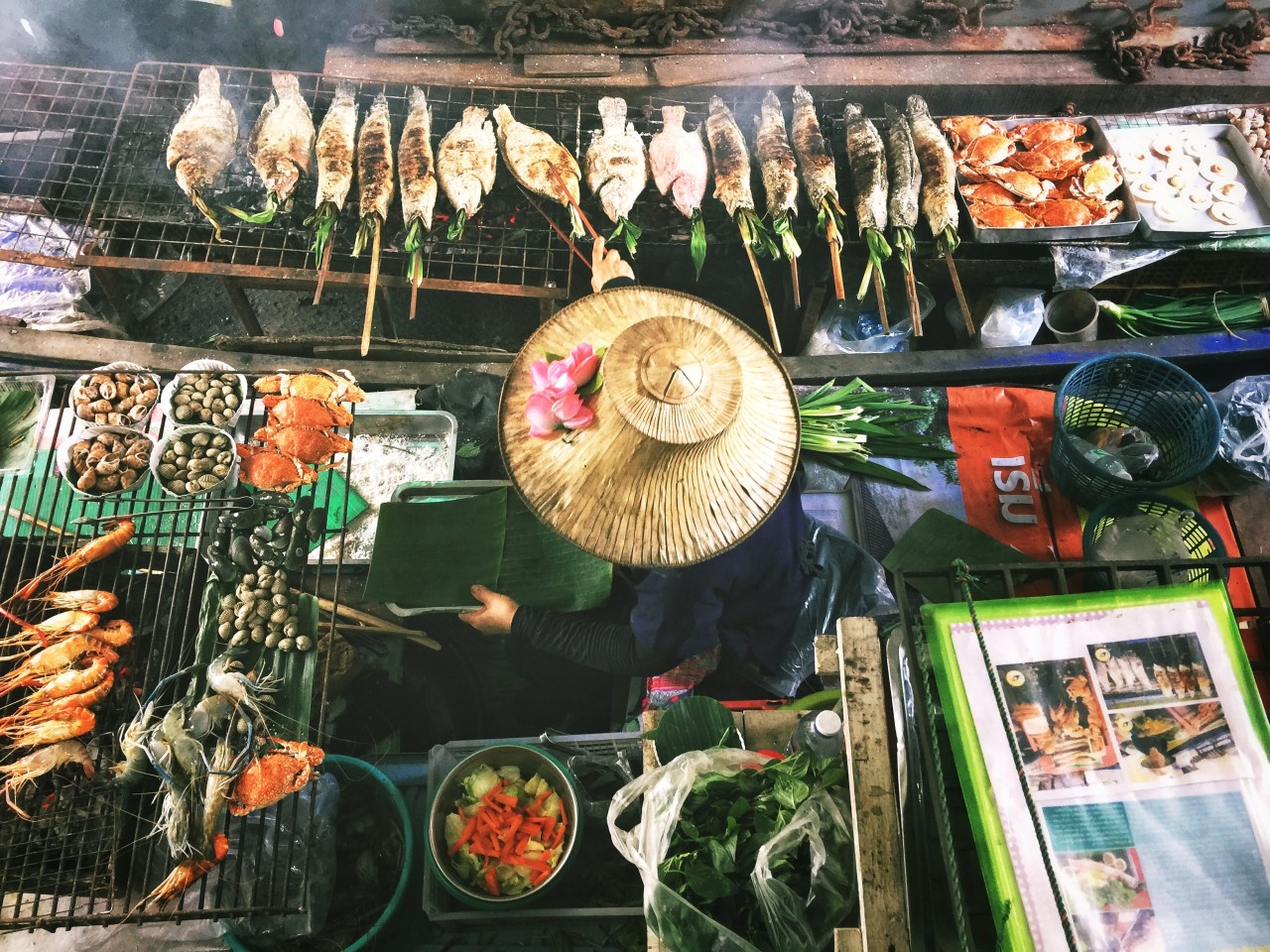
5 minutes reading time
(1048 words)
How to choose the best restaurant in a foreign country
On any trip outside Italy, be it weeks, months, or years-long, rest assured that you will miss Italian food terribly and you will miss even the simplest of properly baked daisies. At whatever level your withdrawal crisis has reached, remember to follow my advice: avoid Italian restaurants, avoid tourist restaurants, even more so avoid Italian restaurants for tourists!
Unless you travel with a swollen wallet, know that Italian food abroad is a real luxury, so if you come across any dish from the Bel Paese it will probably be a very expensive dish and unfortunately not very much in line. with our standards: carbonara with cream and mushrooms, pizza with pineapple and ham, spaghetti Alfredo (cream and chicken) will be the rule and not the exception. Ergo, if you can, avoid them, unless you really want to understand how a certain population eats and how Italian food is understood abroad. For example, while I was in Hawaii I couldn't resist and I tasted the famous and much-vilified pineapple pizza: I assure you it wasn't too bad! But let's go back to the typical dishes where a journey is not a journey if you do not immerse yourself in the local culinary culture precisely because people can be understood also and above all at the table. My main advice is to get acquainted with the means of transport, either through Couchsurfing or if you are a beginner ask at the hostel, but be wary of Anglo-Saxon advice ... In this case, the standards are very different from ours and will not easily meet your tastes. And this is precisely one of the essential reasons for NOT following the gastronomic indications of traditional paper guides, which precisely include people from the Anglo-Saxon world among the authors. Furthermore, the restaurants indicated, once published in the most famous guides in the world, in the vast majority of cases lower the quality and raise the prices. Without considering that you will often find very little in the room, if anything you will meet yet another traveler at the table next to him with the guide resting on the table next to the dishes.
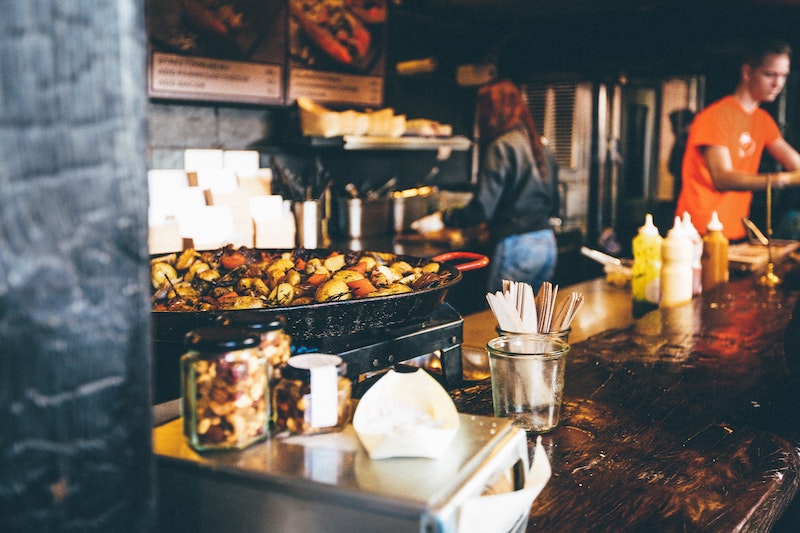
HOW AND WHY AVOID TOURIST RESTAURANTS
But how can tourist restaurants be avoided? I assure you that it is much simpler than you think: the worst, in economic and qualitative terms, are those who give you menus translated into four or more languages: avoid them! Be guided by instinct, perfumes, and people, you will hardly regret it!
In fact, try to carefully observe the behavior of people while you are walking through the streets of cities or villages; pay attention where you see restaurants crowded with local people, especially those where not even a tourist or traveler is seated: they are a guarantee of quality! Of course, it will not be easy to understand what you are ordering or eating, but even in this case, a little trick can come to your rescue. Trust your senses, sharpen your eyes to catch the most intriguing dishes, and smell to discover the most succulent. Take a walk around the tables and watch carefully what the locals eat. Once you have made your choice, go to the waiter to ask for a seat and above all learn how they say in the local language "I would like one of these". While the waiter will accompany you to the table indicates directly to him the dishes you want to try, you will hardly be disappointed. Of course, you may have problems with spicy in Asia or with some spice, but write down the name of the dish in a notebook to avoid it later or reorder it in another restaurant if you want to repeat the experience.
China, for example, is one of the most tantalizing places in the world for a variety of food and quality (I know you would never think considering the Chinese restaurants in our area, but I assure you that in those lands the food is exquisite and… strange! ), but trying to order with a menu in ideograms is almost impossible. However, I admit I did it by randomly swiping my finger on the menu and I must say that, apart from when I ate fried jellyfish, I was always very satisfied. I had learned to say “Iga Cheka (I have no idea how to write it but the sound was more or less this) and with the simple tactic described above I could always eat well and above all replicate in other contexts and places. It is also a very rewarding feeling to see people bending over backward, given how unusual it is for them to see Westerners between tables. Waiters, cooks, and even the neighbors will be the first to come to your aid!
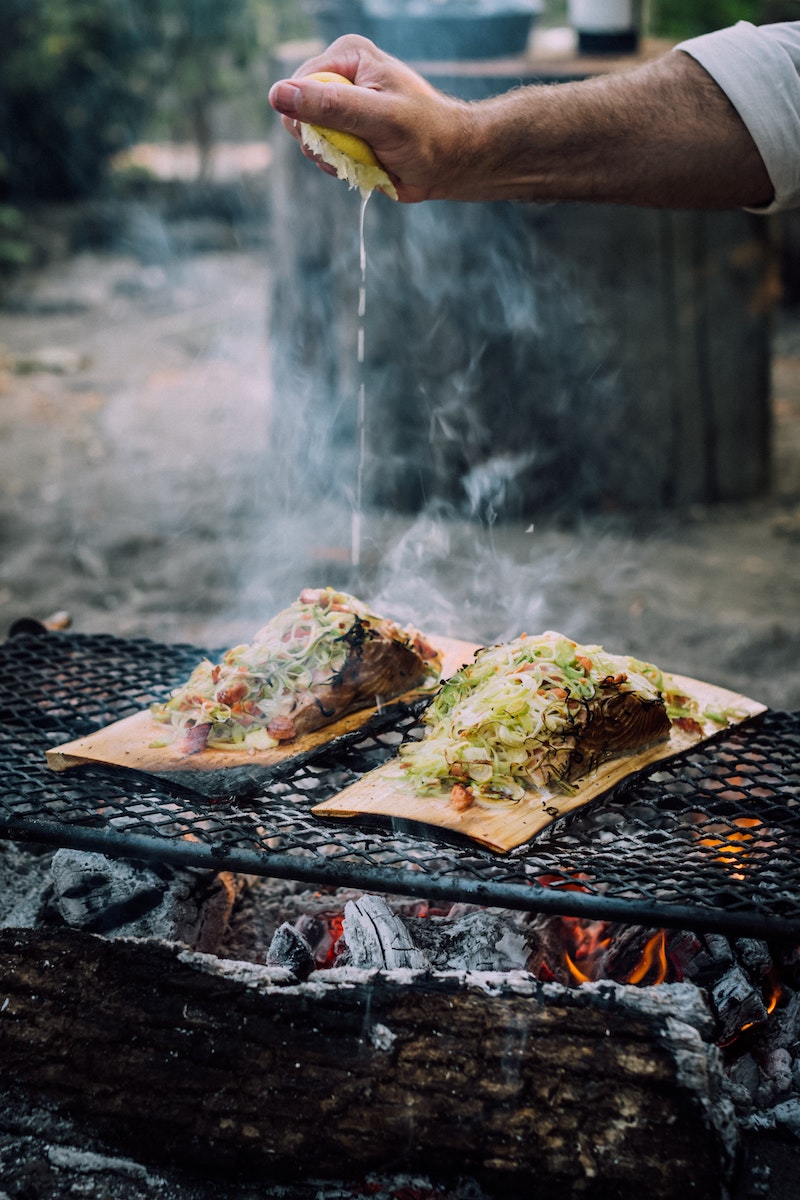
Respect the traditions
Respect the traditions and always observe: in some countries, especially in Africa, for example, you will have to eat with your hands. In these countries, they absolutely do not use the left hand since that is the hand with which you wash your private parts! If, on the other hand, you have to use chopsticks, throw them and don't be lazy trying in every way to eat with a fork and knife (know that in Japan piercing food with chopsticks is a strong act of rudeness!). Also, pay attention to the sequentiality of the food by scrutinizing other people: often there is a real order that will allow you to better enjoy any dish. Follow their traditions also in a perspective of complete nutrition. Although most of the time they are poor foods, they contain all the ingredients that the local population uses to get the necessary nourishment and fight for example altitude (it is a classic drinking coca tea in the Andes or chewing its leaves) rather than dehydration and lack of energy (dates and fruit in Morocco).
Remember that if you are a curious traveler who moves to discover peoples and traditions, the choice of local food is a fundamental step in researching and understanding the culture of that people and is also in front of a tasty dish with aromas and flavors never prove that you get to know the locals, thanks to which it is often easy to find unwritten information about your Lonely Planet.
Informazioni sull'autore
Commenti
Nessun commento ancora fatto. Sii il primo a inserire un commento
PODCAST
Archivio
SHOP