

7 minutes reading time
(1425 words)
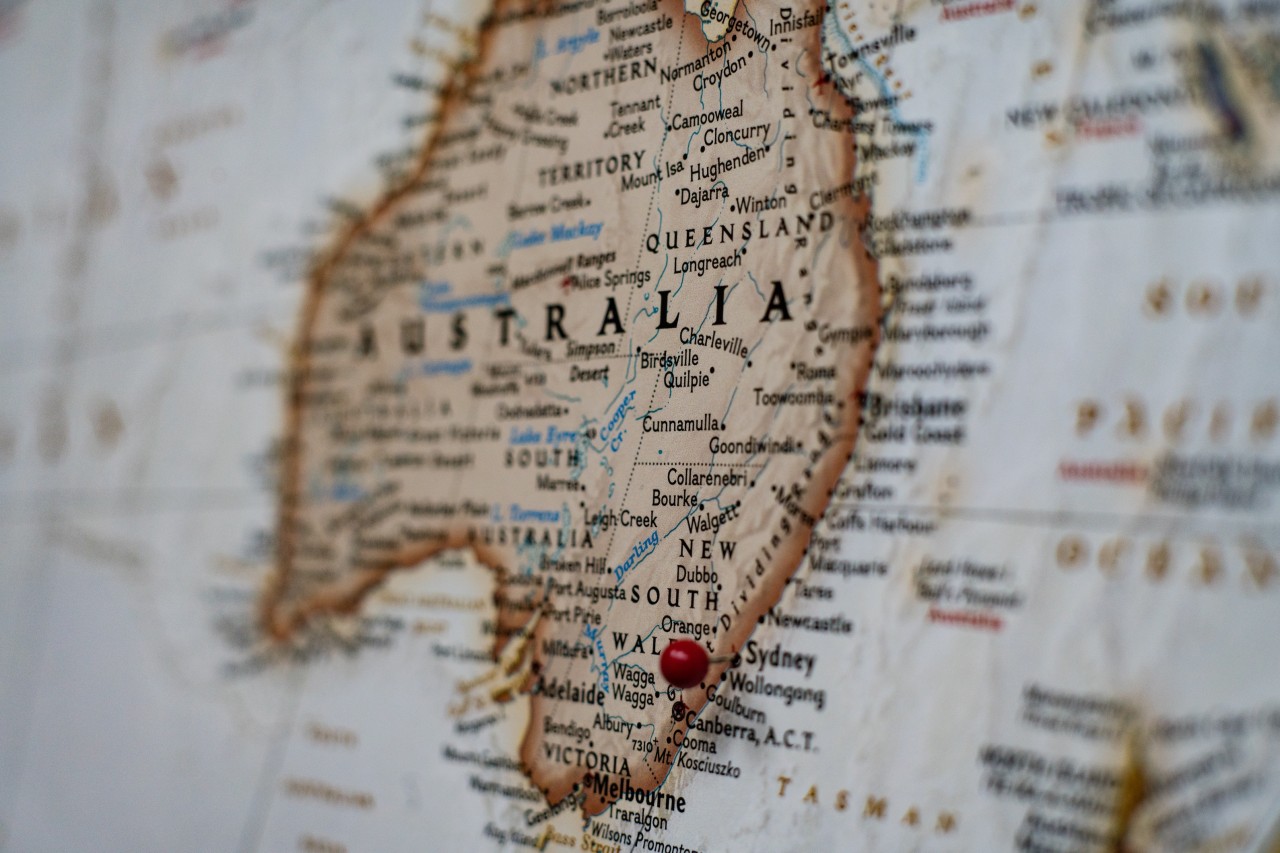
How to save money when traveling to Australia
Australia is absolutely one of the most expensive countries in the world. The economy is strongly developing, and so its prices are constantly rising. For instance, sleeping in a hostel in the big cities in a dormitory for ten people costs on average $28 per night.
How to do it then? Here are several tips, that I’ve learned myself, to save as much as possible in one of the most beautiful lands of the world.
TRANSPORT
Australia is a country of boundless distances, therefore the cost of transport is one of those with the greatest impact on the budget. To save money you must first be extremely flexible and have plenty of time. There is a website with an app for smartphones, which can be really helpful.
It is www.coseats.com
This site, apparently only for carpool or to share travel costs, actually offers the best solution in terms of saving on transportation.
RELOCATION.
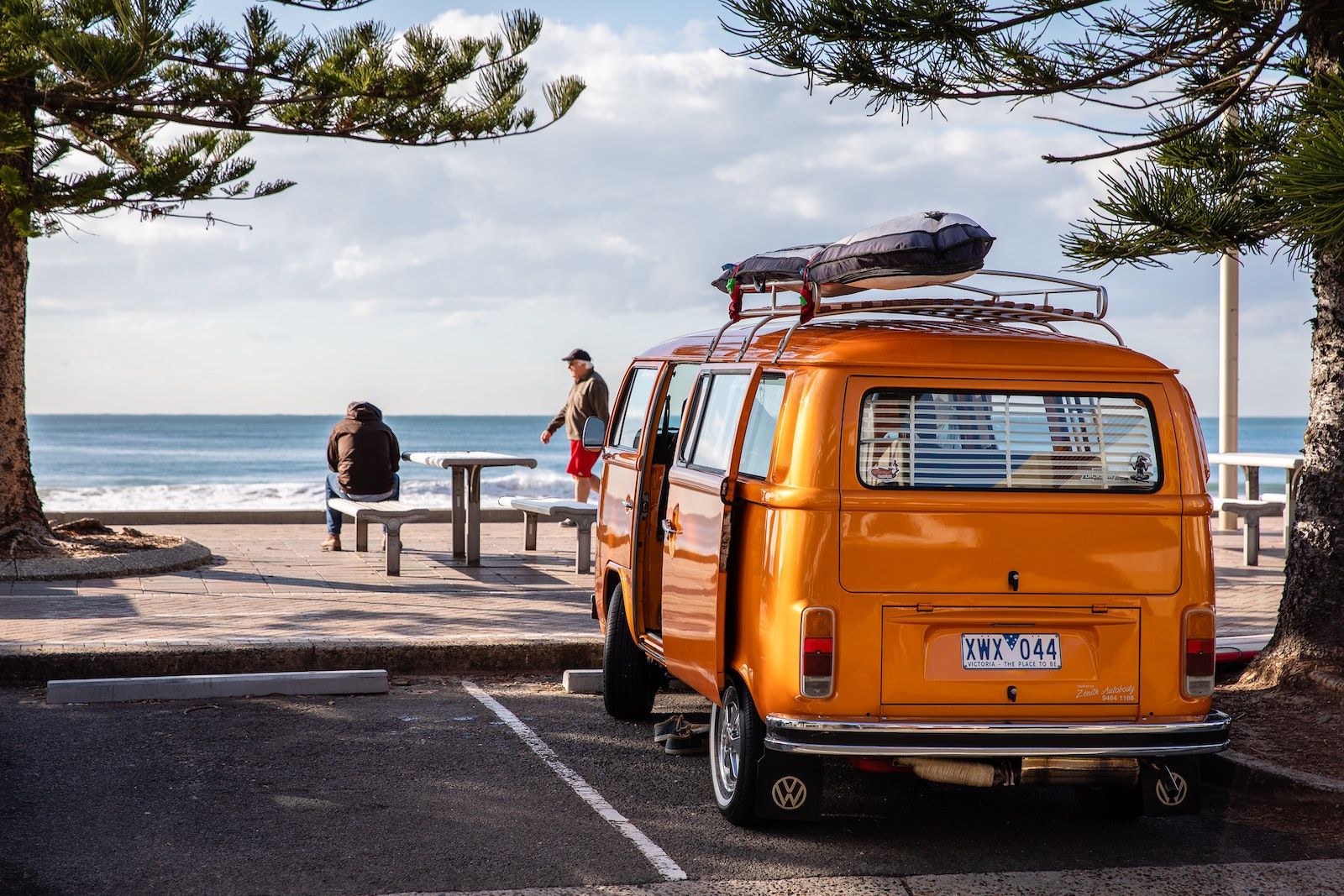
What is relocation? In a country as vast as Australia, it is common to rent a vehicle in one city and drop it off in another, however, this incurs a one-way fee.
The beauty is that these vehicles must be returned to the first location. www.coseats.com site once registered and entered your desired route in due time (I would say at least a week before) it is easy to find relocation offers. The rental companies offer at bargain prices (from $1 to $5 a day) vehicles to be returned by a given date in a given locality. Usually, a fuel bonus designed to cover the cost of fuel is included. The roads in Australia are free so the only cost is the ridiculous daily cost of hire and, possibly because it is not compulsory, the insurance.
Pay particular attention to two aspects: the first is the date and time by which the vehicle must be returned. If you’re late, very high penalties will be incurred. The second concerns the mileage, you are usually granted about 30% extra kilometers on the requested route. This is more than enough to visit the spots on the way (the extra km cost is between $0.30 to $0.55 per km).
However, the offer can be canceled on the same day. You are NOT protected, I mean, you do not lose anything except the savings opportunities. This is because the previous user may return the vehicle to another city, so keep that in mind.
If you manage to check off one of these offers, which I repeat, if you organize well in advance is easy to obtain and can even afford the luxury of choice of vehicle, you can even make money.
Yes because the coseats.com.au site provides you the opportunity to register as a driver or one who offers a ride in exchange for a certain amount that you determine, so a real carpooling.
For example, I was in Tasmania and I had to go to Adelaide. I found a campervan for only $ 5 a day, which I had to return within 5 days from Hobart to Adelaide. This is 1081 km, I had been granted 1541 km. As there was a ferry to catch, the company booked it and therefore I did not have to pay for my passenger ticket of about $137. I also had a fuel voucher for $400, of which I spent about $350.
By registering on the site as a driver I found a couple of guys who needed a ride from Melbourne to Adelaide. I did not request a specific payment, but we shared the cost of fuel. So, the company has refunded me $350 for fuel, the boys have paid 2/3 of that part of the journey, and I saved $137 by ferry. Summing up I spent: $25 for the rental ($5 per day for 5 days) + $350 for fuel = $ 375 total.
I received $180 from the boys ($90 per person) and $350 from the company, making a total of $580.
On top of this, I did not pay the ferry ticket, which would have cost $137, creating a total saving of $342 (actually leaving $155 in my pocket).
If traveling by plane or train is a luxury, the bus is another economical solution but not enough; a bus from Brisbane to Sydney costs about $120. Again coseats.com can help, if I insert a request for the passage I can easily find people who offer it at an average price of $60, so half price.

ACCOMMODATION
As I said sleeping in Australia is particularly expensive, but here too there are small tips that can allow large savings.
First, with the aforementioned hypothesis of relocation, if you manage to grab a camper or a van you can just sleep there.
In this regard, I suggest you invest in a very useful $5 app: wikicamps Australia. This app, through GPS positioning, report all camping, free, and paid, in your area. Personally, I believe the $5 will be well spent in the land of kangaroos!
Another alternative is Couchsurfing (www.couchsurfing.com), which is being hosted free of charge in people's homes. However, keep in mind that, given the high costs to sleep, you will not easily find accommodation as there is so much competition. For a better chance at being accepted, make sure you customize your profile and send personal, individualized messages to each user. I noticed that in Australia people are hosting for the pleasure of sharing new knowledge, not like people who just want a place to sleep for free.
In large cities, if you still need somewhere to stay and you are planning on staying in a hostel, then ask if there is any work available. Often, especially in the construction industry, firms pass by the hostels the day before or the same morning in search of manpower. It is very well paid! Consider that a day's work could guarantee the stay of a week in the hostel. Additionally, the hostels themselves often seek workers! However, you must have a working holiday visa or a student visa, because you will not be able to work with a tourist visa.
It is also worth considering wwoofing (http://www.wwoof.com.au/): Although Australia is very developed, they also have a large agriculture industry, and in return for some work on the farm you can receive free room and board.
FOOD
On this issue, there are different tips. The cheapest supermarket is ALDI, therefore, avoid more expensive ones such as Coles and Woolworths. Everything that is produced with large quantities of water is insanely expensive in Australia, because of the big problems with drought, so do not be surprised if a salad bag costs more than a steak. As I am Italian, I’m ok with pasta for lunch or dinner, which is always a cheap option. Other very economical solutions are noodles (usually less than a dollar a package). Fruits and vegetables are often expensive, however, fish is especially economical, particularly salmon and barramundi (a typical Australian fish) which are often on offer. In the big cities, sushi is very popular, and is often very cheap, particularly at lunch, when you can enjoy sushi for less than $10.
Avoid soft drinks, they are very expensive. As well as bottled water, but still Australia provides drinking water almost anywhere. Therefore, you can just buy a plastic bottle and fill it according to your needs.
Do you want to enjoy a wine or a beer? Perfect, keep an eye on the happy hour and offers at the hostels. A pint costs about $ 6.50, but in the same place at happy hour costs less than $ 5. The same applies to the wine, especially in supermarkets it is easy to find quality bottles for less than $ 9.
Finally, I suggest you ALWAYS visit the visitor center, especially in the big cities. There are often special days when the attractions are half price or have other offers. In Sydney, for example, if you plan a trip to the Blue Mountains on a Sunday it will cost you only $8!
These are just a few tips, but keep in mind that prices in Australia will still be crazy. Some examples?
Sunscreen (required, due to the risk of skin damage because of the ozone hole): $20 for the cheapest.
Cigarettes: $26 per package
Bus in the city: $3-5 each way (buy magnetic cards, they allow you big savings if you're staying in the city at least a week)
Coffee: $3.5
Taxi: a 10-15 minute taxi ride is around $ 50 (download HUBER, it will cost 30% less)
So, go on foot and do not smoke!
Informazioni sull'autore
Forse potrebbero interessarti anche questi articoli
Commenti
Nessun commento ancora fatto. Sii il primo a inserire un commento
PODCAST
Archivio
SHOP