
I spent nine months on the Asian continent before turning my itinerary first to Australia and then to North America. In the middle of the Pacific Ocean to be crossed without planes. I did it with a merchant cargo ship and the voyage lasted the beauty of twenty-six days.
But let's go in order, reaching the Australian coasts, always aboard a merchant ship (flying the Liberian flag as in the film by Carlo Verdone), was the first real return to the world in which I had grown up. Australia is a wonderful land that has been populated mostly by Europeans, although the last few generations have also suffered a great immigration wave of people from neighboring Asia. These factors have made it, in my opinion, the most cosmopolitan continent in the world.
With diabetes, it was very easy to adapt because I finally had every possible variety of foods and cuisines available. If anything, the problem was the high price but, with great attention, it was possible to eat healthy and balanced. Specifically, diabetes has benefited from it thanks to seasonal vegetables and fruit, reintroduced into my diet regularly.
At the beginning of my stay, I also experienced some moderate glycemic peaks due to the sudden change in diet, but thanks to blood glucose monitoring and apps such as One Touch Reveal, this period of acclimatization can be kept under control.
The stay in Australia, given the high costs, lasted about six weeks and then one of the greatest experiences of this journey around the world without planes awaited me, that is to cross the entire Pacific Ocean from south to north, in all its breadth. From the port of Adelaide to the Canadian port of Vancouver, in twenty-six days.
These are difficult days of great boredom due to the lack of communication with the outside world and a horizon that is always the same every day. We eat at fixed times and there is little chance to keep fit apart from a small gym whose machines, for the most part, are broken. Confirming how sedentary is the enemy of diabetes, the weeks in cargo have been rather difficult to manage with blood sugar levels that tended to rise especially during the night. To rebalance me, once again, it was the help of glycemic monitoring and apps such as One Touch reveal, which allows you to view the data of the day or week with very simple graphics and on the same screen shows the summary of insulin doses, carbohydrates, and physical activity.
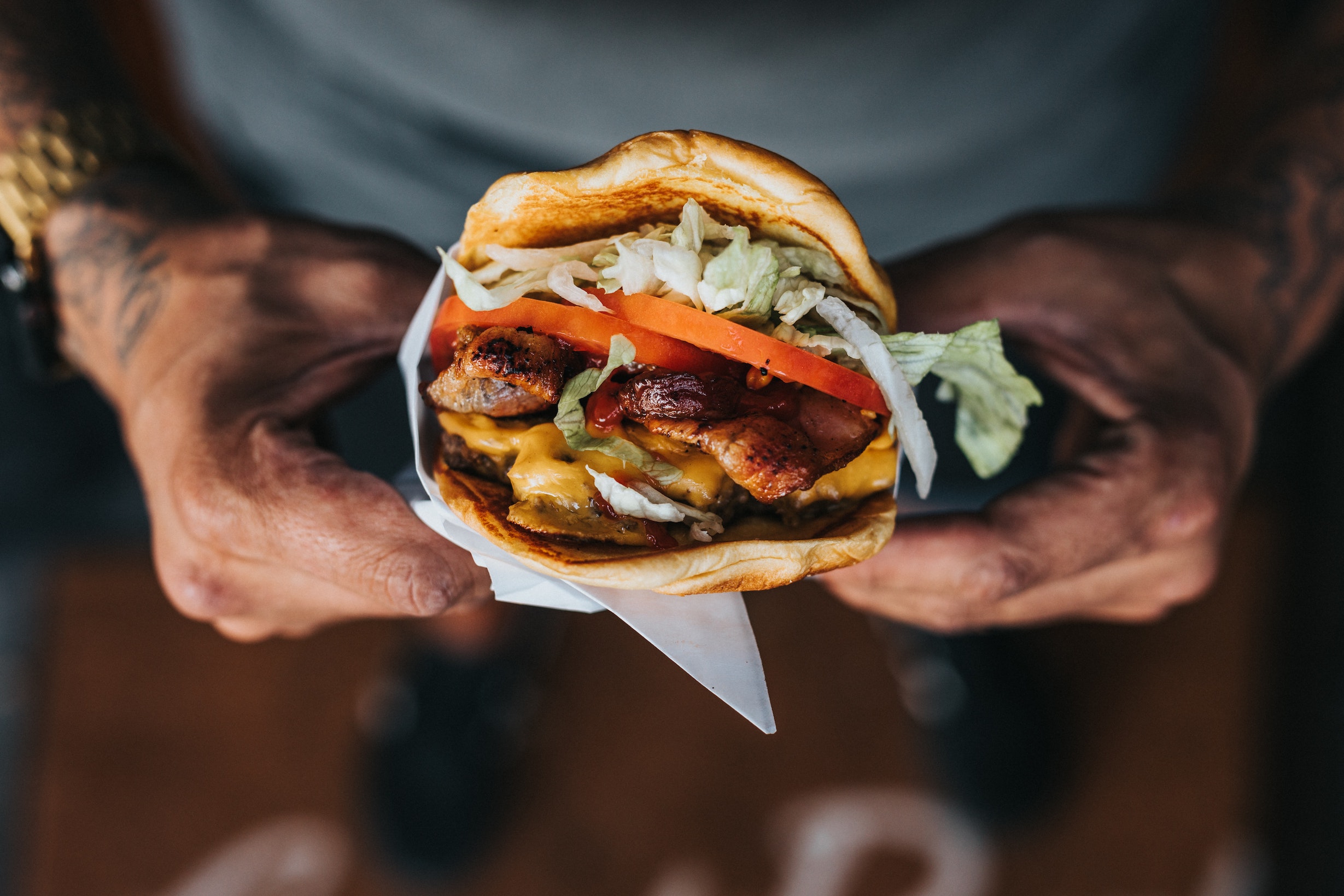
But even more dangerous than a sedentary lifestyle is junk food that dominates the United States. I arrived in Canada and, for better or worse, I found food equivalent to that of Australia at a good price, but once I passed Niagara Falls in Buffalo I found myself in a country where to eat healthily, it really needed more money than my narrow one budget. Most of the time, however, in fast food restaurants I have found excellent solutions in terms of price. For a month I fed on burgers, fries and fried chicken, Ceasar salad, and hot dogs. My blood sugar spiked and I had a hard time controlling it, so much so that I will always remember a night when I ate a supermarket-bought Ceasar salad for dinner. I started with the correct blood sugar around 140 and after about three hours I found myself with a value of over 400! I read the ingredients of the sauce with which they dress the salad: it was practically pure sugar! The landscapes of the West will remain in my heart as well as New York or San Francisco, but the food just won't!